People who were homeless and vulnerably housed are among the most excluded and marginalised in Dorset. Co-creating inclusive ways of involving them in research could have had a long-lasting impact on the community, on the relevance and impact of our research, and could have contributed to the development of involving other communities who were underserved by research.
This project was a community-led project conducted in collaboration with community researchers with lived experience of homelessness and being vulnerably housed.
It was funded by the Research Engagement Network (REN) Programme, an initiative by NHS England which provided funding to Integrated Care Systems (ICSs) across the country to bring the voice of people and communities into health and care research.
In Dorset, we chose to focus on designing ways of capturing the diversity of who was (and who was not) currently involved in research and connecting with people who had experience of being homeless and/or vulnerably housed.
The project, led by Dr Helena Posnett, Consultant in Public Health and Trust lead for Health Inequalities at Dorset HealthCare University NHS Foundation Trust, was a collaboration with health, social care, community, lived experience and academic partners, including BU’s PIER Partnership (Public Involvement in Education and Research).
Gaining perspectives from lived experience
Working alongside trusted community partners and community researchers (those with lived experience of the topic being explored) since October 2023, the project enabled those who have experienced homelessness and are vulnerably housed to design how they want to be involved and have a voice in research.
The Lantern Trust in Weymouth, The HealthBus Trust in Bournemouth, and Bournemouth University PIER Partnership recruited, mentored and supported community researchers with lived experience to participate in the project and reach out to people in their wider communities and networks to build a better understanding of involvement in research from lived experience perspectives.
In collaboration with those with lived experience, this part of the REN project became known as ‘I am more than…’.
Partners
What's been done so far:
We have:
-
recruited, mentored, and supported community researchers with lived experience of homelessness,
-
developed participatory and co-produced approaches to ensure marginalised voices and perspectives were heard
-
delivered a lived experience led system stakeholder event to raise awareness of what having a voice in research means.
The project has led to active involvement of people with lived experience of homelessness and no prior involvement in research, as well as the development of a flexible voluntary and community sector (VCS) model for involvement in research.
It has also created further opportunities for the PIER Partnership, The Lantern Trust and HealthBus to collaborate on health and social care research and service development.
Photos from the stakeholder event
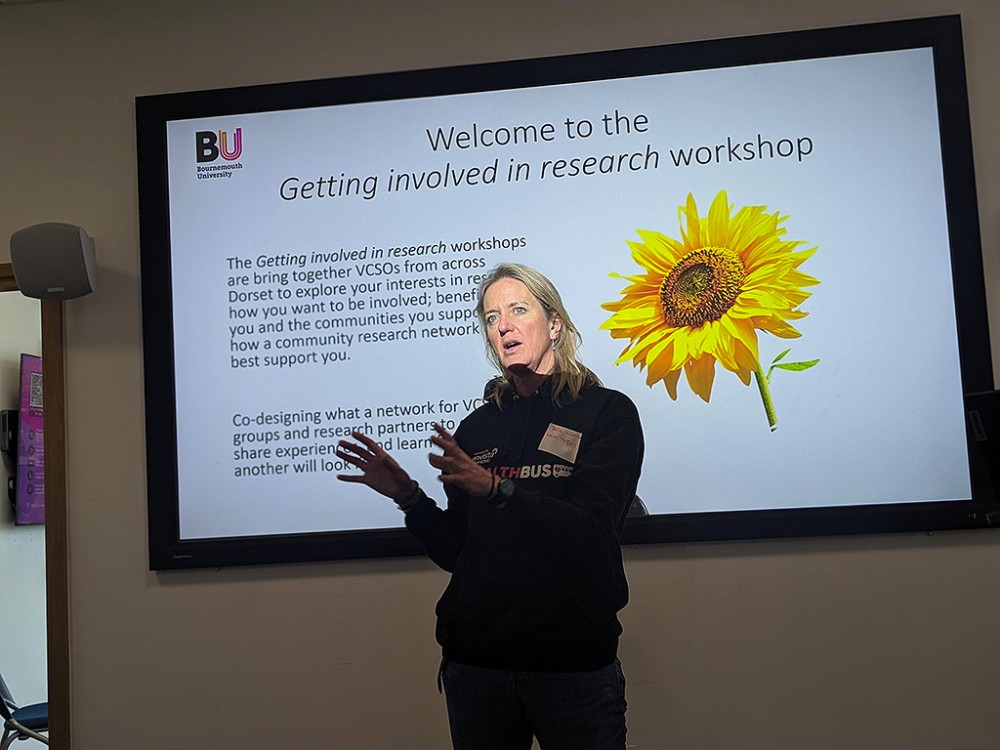
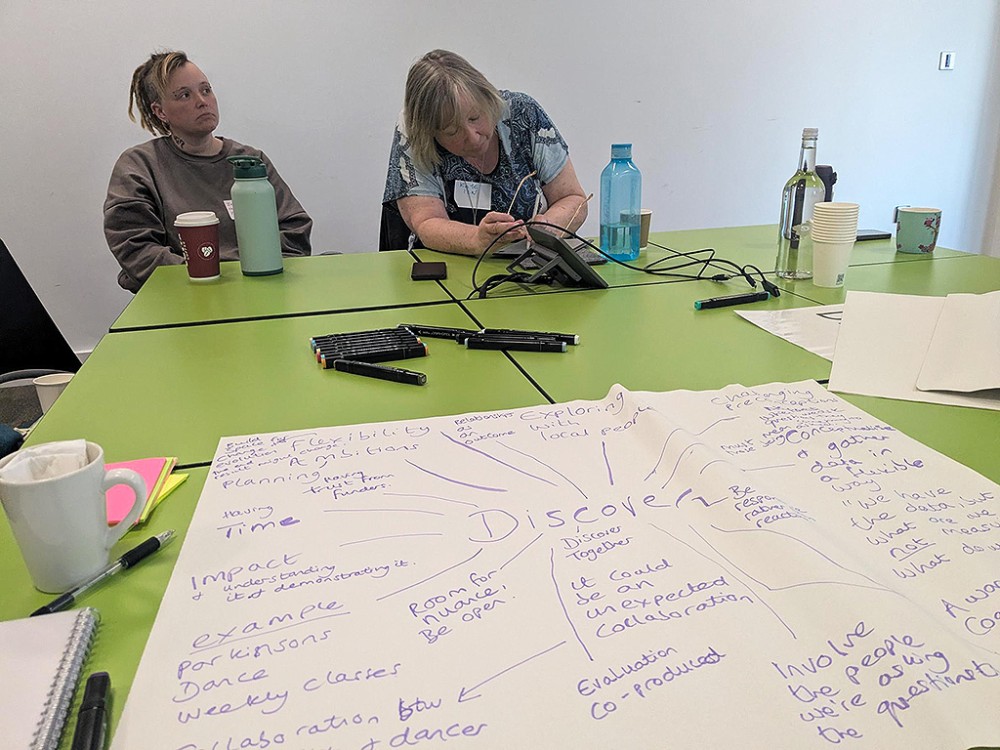
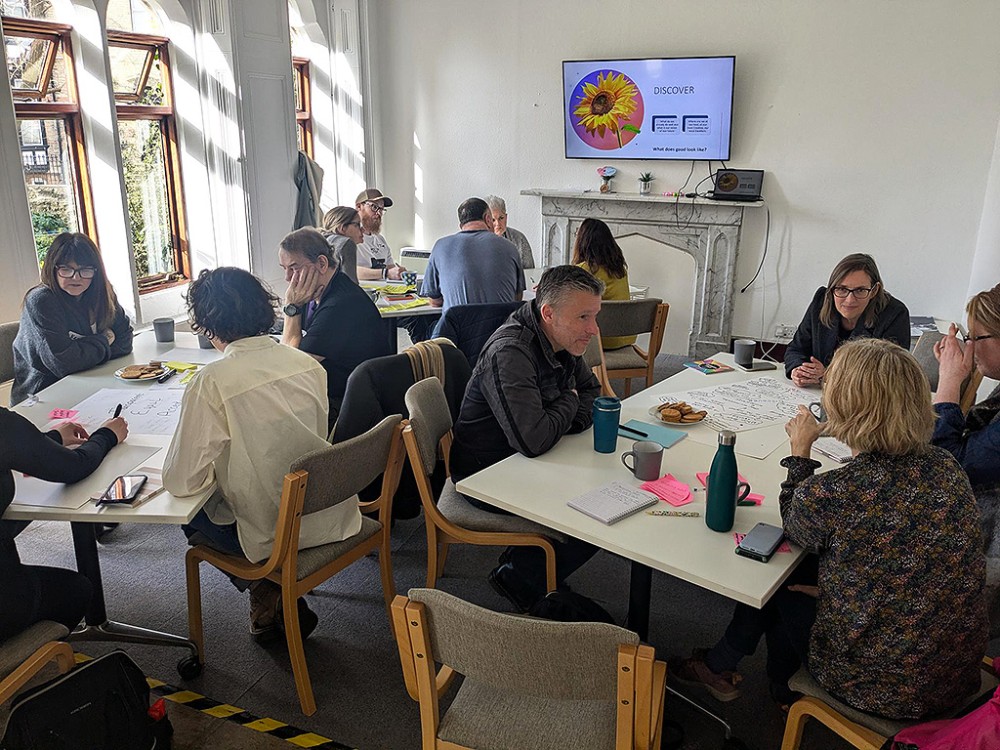
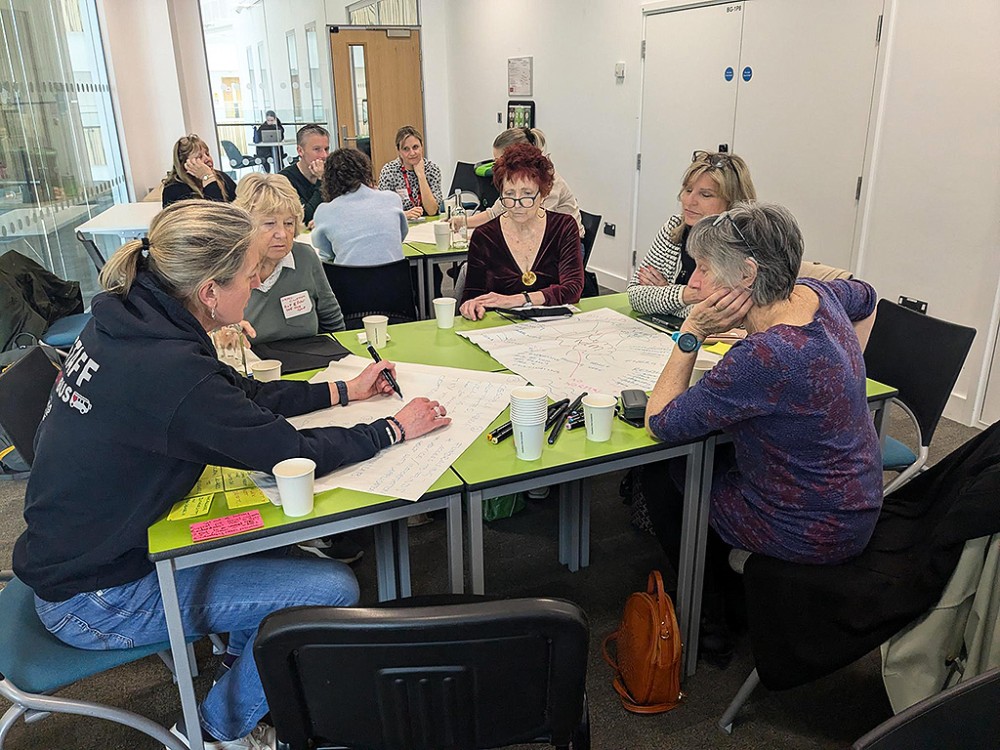
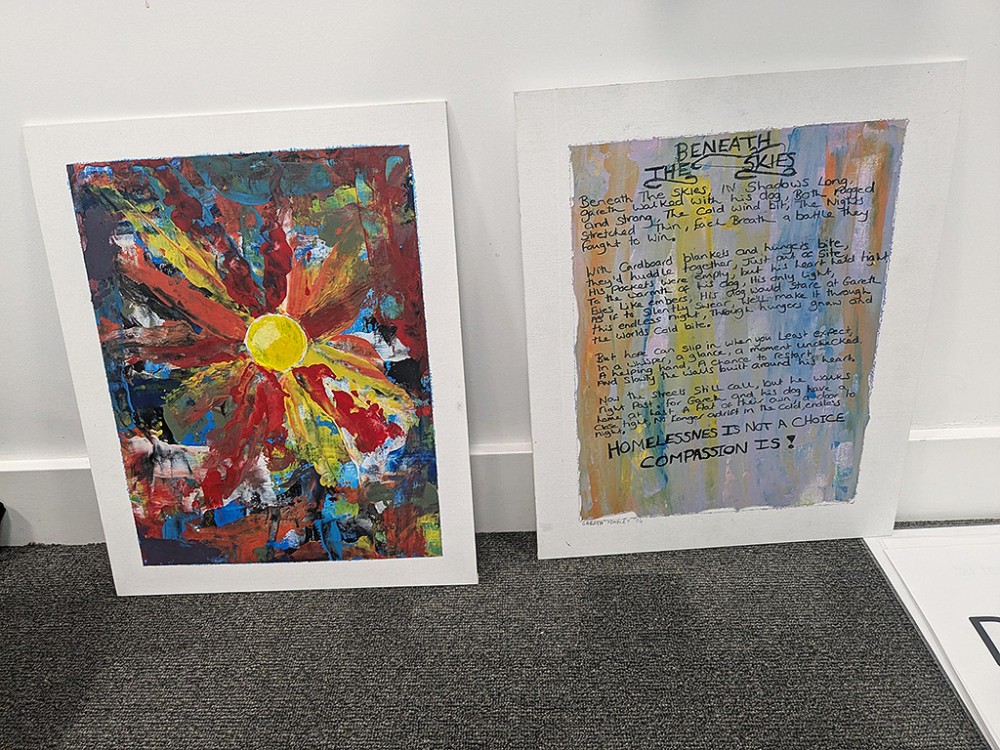
We are delighted that our first paper from this project, 'Designing a Flexible and Inclusive Approach for Public and Community Involvement in Research with People Who Are Homeless or Vulnerably Housed: Critical Reflections From the I Am More Than… Project' has been published in Health Expectations.
You can read the open access paper and find out more about the project.
Phase 3
Phase 3 of the REN2 Programme has focused on building capacity in VCSOs who are working with a wide range of communities, beyond those who are homeless and vulnerably housed, to engage in inclusive research. With this in mind, we delivered a series of online webinars, followed up by two in-person ‘Getting Involved in Research’ workshops in Weymouth and Bournemouth. The workshops were co-created and delivered by Bournemouth University’s PIER partnership, The Lantern Trust, The HealthBus, and CAN, drawing on their expertise and deep community connections.
The workshops were based on the Appreciative Inquiry 4-D Model: Discover, Dream, Design and Deliver, and the key findings drawn from all of the source data showed what attendees wanted from a community research hub or network.
The combined data from the workshops and evaluations showed that there is a real energy and interest in community-led research and a community research hub and network to support involvement in research; VCSOs want to work together, share ideas, and learn how to turn their knowledge into real change, but they also require clear support and ways to get started.
What’s Next?
With continuation funding from CRN (Clinical Research Network) Wessex and NHS England, we are continuing to build on this work by embedding the community research model and building the capacity of the community researchers (those with lived experience) and community partners to inform research and service development across Dorset, amplifying the voice and influence of marginalised groups who are most affected by health and social inequalities.
We will:
- Use the findings from this report will inform Phase 4 of the Dorset Research Engagement Network
- Pilot and evaluate a new community research hub as part of Phase 4.